
What Actually Counts as a Pet Emergency?
When Your Pet Needs Help Now: Your Guide to Emergency Vet Care
When your pet falls suddenly ill or suffers an injury after normal clinic hours, an emergency vet provides immediate, life-saving care without an appointment. These facilities operate 24/7 with specialized staff and advanced equipment to stabilize critical conditions like poisoning, trauma, or breathing distress. To use one, call ahead if possible, describe the symptoms clearly, and bring your pet’s medical history; the team will triage based on urgency and begin treatment right away, offering peace of mind that help is available at any hour.
What Actually Counts as a Pet Emergency?
You’re watching TV when your dog starts retching, unable to bring anything up—that’s not a wait-and-see moment. A pet emergency means any sudden, severe change that threatens life or limb: difficulty breathing, collapse, seizure, or obvious fractures. It also includes ingestion of toxins like chocolate or medication, uncontrolled bleeding, or a bloated, distended abdomen in a large-breed dog, which can twist the stomach within minutes. Even a seemingly minor fight that leaves a puncture wound counts—infection or internal damage isn’t visible from the outside. If you’re hesitating, ask yourself whether the condition could worsen dangerously within an hour. When your gut says something is profoundly off, that’s the signal for an emergency vet visit, not a call to your regular clinic in the morning.

12 Signs Your Dog or Cat Needs Immediate Veterinary Care
If your dog or cat shows any of these 12 signs, skip the waiting room and head straight to an emergency vet. Watch for **uncontrolled bleeding**, difficulty breathing, or a bloated, painful abdomen (especially in large-breed dogs). Also seek immediate oak tree animal hospital care for seizures, suspected poisoning (like antifreeze or grapes), or an inability to urinate—this is a life-threatening blockage in cats. Other red flags include a temperature above 103°F or below 99°F, sudden collapse, severe vomiting or diarrhea lasting over 24 hours, eye injuries, or a fractured limb. Pale gums or a rapid heart rate signal shock.

Q: What’s the #1 sign most pet owners ignore that needs immediate vet care?
A: Labored breathing—panting that isn’t from heat or exercise. If your pet’s gums look blue or purple, that’s oxygen deprivation, and minutes count.
How to Tell the Difference Between an Urgent Issue and a Minor Ailment
Distinguishing an urgent issue from a minor ailment hinges on vital signs and behavior. Immediate veterinary care is needed if your pet has difficulty breathing, seizures, collapse, or uncontrolled bleeding—these are non-negotiable emergencies. Minor ailments like a single soft stool, a small superficial cut, or mild limping that resolves within minutes often warrant observation at home. Ask yourself: can the pet eat, drink, stand, and show normal alertness? If “no” to any, err toward urgent. *A pet that still plays and seeks affection despite a mild symptom rarely needs an emergency vet, whereas one that withdraws and hides signals systemic trouble.* Monitor for progression—worsening lethargy or repeated vomiting over four hours shifts the case to urgent.
Q: What is the fastest way to tell an urgent issue from a minor ailment?
A: Check for abnormal breathing, gum color (pale, blue, or brick red), and the ability to walk—any deviation in these three is urgent, regardless of how lively your pet appears otherwise.
How Does a 24/7 Emergency Animal Hospital Work?
A 24/7 emergency animal hospital operates as a dedicated facility for urgent veterinary care, distinct from a standard daytime clinic. When you arrive with a critical pet, a triage nurse immediately assesses vital signs to prioritize cases by severity, not arrival order. The hospital maintains an on-site diagnostic lab and imaging suite (X-ray, ultrasound) so results are available within minutes, enabling rapid decision-making. A team of emergency vets and technicians works in rotating shifts, ensuring a doctor is always awake and available for surgery, oxygen therapy, or continuous monitoring. This structure allows for immediate intervention—such as IV fluids, pain management, or emergency surgery—at any hour. Your primary vet transfers medical records electronically, so the emergency team has context while you focus on your pet’s stabilization.
What Happens When You Walk Through the Door After Hours
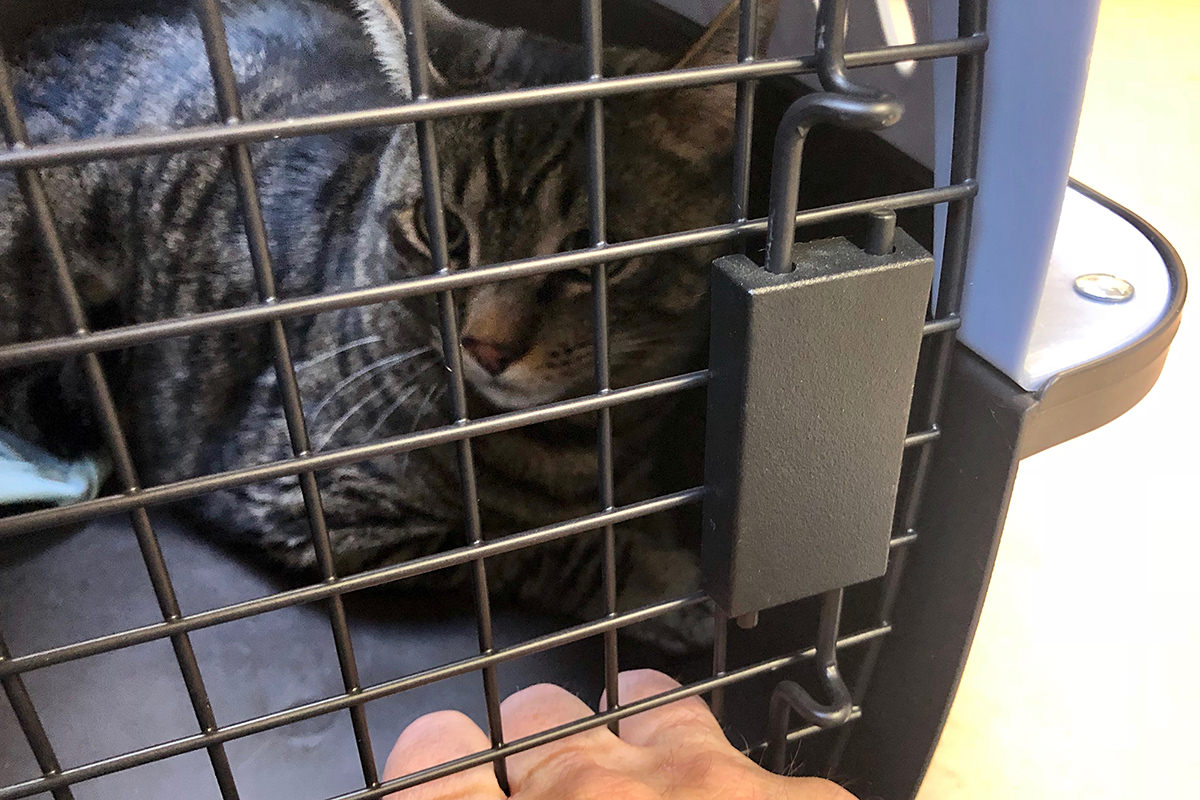
When you walk through the door after hours at a 24/7 emergency vet, a technician immediately triages your pet in the entryway, checking heart rate, breathing, and gum color before any paperwork. You are asked for a quick verbal summary of the emergency, then your pet is weighed and moved to a treatment room while you complete a minimal registration form. A veterinarian assesses your pet within minutes, prioritizing critical cases over stable ones. After-hours emergency vet triage means you may wait if a more urgent animal arrives. Your payment for the examination is collected upfront, before any diagnostics or treatment begins.
Q: What Happens When You Walk Through the Door After Hours with a non-critical issue?
A: You still receive a full triage assessment, but you may wait in a separate area while the team stabilizes critical patients, and your exam fee is due at check-in.
Understanding Triage: Why the Sickest Pet Gets Seen First
Understanding triage is the core of how an emergency vet prioritizes care, and it is rarely first-come, first-served. When you arrive, a veterinary nurse or doctor immediately assesses your pet’s vital signs, mental status, and breathing to assign a severity level. Emergency triage prioritization ensures that a pet in cardiac arrest or with severe trauma enters the treatment room before a stable animal with a minor laceration. This system saves lives by directing limited resources to the most critical cases. If your pet is stable, you may wait while a sicker patient is treated; this does not mean your concern is ignored, but that another life is in immediate danger.
- Red-flag signs (e.g., labored breathing, pale gums, collapse) instantly jump the queue.
- Stable pets with minor issues, like a small cut, may wait 30–90 minutes behind critical cases.
- Triage status is re-evaluated continuously, so your pet’s priority can change if their condition worsens.
What Services Are Offered at an After-Hours Vet Clinic?
An after-hours vet clinic focuses on stabilizing and treating urgent conditions that cannot wait for a regular appointment. Core services include emergency triage, where a veterinarian immediately assesses your pet’s vital signs to prioritize care. They provide wound management, such as cleaning and suturing lacerations, and administer intravenous fluids for dehydration or shock. Diagnostic tools like in-house bloodwork, X-rays, and ultrasound are available to identify internal injuries or toxins. For critical cases, the clinic offers oxygen therapy, cardiac monitoring, and pain control, alongside emergency surgery if needed. Overnight hospitalization ensures continuous observation for pets with severe illnesses, and staff will update you on progress. Most clinics also handle urgent euthanasia or humane end-of-life care when treatment is not viable. However, after-hour fees are typically higher, and you should call ahead to confirm the clinic is open and equipped for your pet’s specific issue.
Surgery, Bloodwork, and IV Fluids: The Core Lifesaving Treatments
When your pet’s condition turns critical, emergency surgery, diagnostic bloodwork, and IV fluid therapy become the immediate triad that stabilizes and saves lives. Bloodwork delivers rapid organ and cell counts, letting the veterinarian pinpoint toxins, hemorrhage, or infection within minutes. IV fluids then restore perfusion, correct shock, and maintain blood pressure while anesthesia or treatment proceeds. Surgery addresses the physical crisis—a torsion, rupture, or foreign body—that labs alone cannot resolve. These three interventions work as a synchronized sequence, not separate options, because fluids prepare the patient for the operating table and bloodwork guides the surgeon’s every decision. Together, they transform a dire emergency into a recoverable, controlled event.
Do Emergency Vets Provide Overnight Monitoring and ICU Care?
Yes, most after-hours emergency hospitals provide **overnight monitoring and ICU care** for critically ill pets. This means a veterinarian or trained technician checks vitals, administers IV fluids, and adjusts pain or seizure medications throughout the night. If your pet needs oxygen therapy, continuous ECG, or post-surgical observation, the ICU team stays on-site to intervene immediately if your pet’s condition deteriorates. Without this level of surveillance, a sudden complication like cardiac arrest or respiratory distress could go unnoticed until morning. Overnight ICU care is essential for pets with severe pancreatitis, trauma, or sepsis. You are never expected to monitor a hospitalized pet yourself; the emergency team takes full responsibility.
Q: Do emergency vets keep pets awake all night for monitoring?
A: No—they use non-invasive monitors and periodic checks, so your pet can rest undisturbed while staff track heart rate, blood pressure, and oxygen levels from a central station.
How Much Does an Emergency Vet Visit Cost and How Do I Pay?
An emergency vet visit typically costs $150–$300 just for the exam, but diagnostics like bloodwork, X-rays, or overnight monitoring can push the total to $800–$3,000 or more. Payment is due upfront, so don’t expect a bill later. Your best options are pet insurance (if you already have it), a CareCredit credit card for 6–18 month interest-free plans, or a personal loan. Many clinics accept cash, major credit cards, and sometimes Afterpay. If money is tight, call ahead and ask about payment plans—some emergency hospitals offer in-house financing, but never assume it. Always confirm the estimated cost before treatment begins. Q: Can I pay after the visit? A: No, most emergency vets require full or partial payment before discharging your pet, so be ready to pay at check-in. Carry a backup credit card or savings buffer specifically for pet emergencies.
Breaking Down the Price of an Exam, Diagnostics, and Treatment

The emergency vet bill is itemized into three core layers, and understanding each prevents sticker shock. The exam fee (typically $100–$150) covers triage and vital assessment, not treatment. Diagnostics—bloodwork, radiographs, or ultrasound—add $200–$600 depending on scope; a basic panel costs less than an ultrasound. Treatment, such as IV fluids, oxygen, or medication, ranges from $300 to $1,500, driven by severity. *Always request a written estimate before approving any step, as the cheapest option is rarely the one that stabilizes a critical pet.* The line between diagnostics and treatment is blurry: a blood test is diagnostic, but the fluid bolus it guides is treatment. Ask the vet to separate these costs explicitly so you can prioritize what your pet truly needs.
Payment Options, Pet Insurance, and Care Credit Plans Explained
When an emergency vet bill lands, you rarely have cash on hand, so payment options, pet insurance, and Care Credit plans become your lifeline. Most ER clinics demand payment upfront, but they accept credit cards, debit, and sometimes PayPal. Pet insurance, if purchased before the crisis, reimburses you after you pay the vet—so you still need a card or cash to cover the deposit, though some insurers offer direct pay to the clinic if you pre-register. Care Credit is a healthcare-specific credit card with 0% interest plans (typically 6–24 months) for bills over $200; approval takes minutes, and it works instantly at the front desk. *Without a backup plan, a $3,000 emergency could max out your everyday card, so verify your coverage limits before you need them.* Q: Can I use Care Credit with pet insurance? A: Yes—Care Credit covers your upfront payment, then your insurer reimburses you separately, easing the initial financial shock.
What to Bring and What to Tell the ER Vet for the Best Outcome
When you race into the emergency vet, your hands are full and your mind is blank, but what you bring and what you say can shape everything. Grab any medication bottles, the original food bag, and a sample of vomit or diarrhea if you can—a photo of the toxin or plant is worth more than a shaky memory. Tell the ER vet the exact time symptoms started, what your pet ate or chewed recently, and any prior health conditions. Don’t sanitize the story; admit if they got into chocolate, pills, or rat poison. Also, mention the last time they urinated or drank water. These details help the ER vet prioritize tests, choose the right antidote, and avoid dangerous guesswork. Your calm, factual timeline is their fastest diagnostic tool.
Your Pet’s Medical History, Medications, and Vaccination Records
Bringing your pet’s complete medical history, medication list, and vaccination records can save critical minutes in an emergency. Snap clear photos of any pill bottles, including dosage and frequency, plus the last vaccine certificate. If your pet has chronic conditions like diabetes or heart disease, jot down the diagnosis date and recent test results. Note any allergic reactions to drugs—especially antibiotics or sedatives—and the date of their last dose. Also, write down when they last ate and drank, as this affects anesthesia safety. If you use a regular vet, grab their contact info so the ER can request records directly. A quick checklist: medical history summary, current medications, vaccine proof, allergy notes, and your vet’s number. That folder of facts helps the ER team choose safe treatments immediately.
How to Describe the Emergency Clearly So the Doctor Helps Faster
When you call the ER vet, lead with the most critical symptom first—like “not breathing” or “uncontrollable bleeding”—before giving breed or age. Say exactly when it started, whether it was sudden or gradual, and quote the amount of any vomit, urine, or blood in teaspoons or cups. Mention what your pet ate, chewed, or accessed in the last two hours, including meds or toxic plants. Describe the pet’s mental state: are they collapsing, lethargic, or still alert? Avoid vague words like “sick” or “acting weird.” State if the problem is improving, worsening, or staying the same, and if you’ve already given any home treatment. This precision lets the doctor triage instantly and prep the right drugs or oxygen before you arrive.
Be specific, chronological, and quantifiable: lead with the life-threatening sign, then timing, amount, exposure, and mental status, so the vet can act immediately.
How to Choose the Right Emergency Vet Clinic Before You Need One
Before your dog swallows a sock at midnight, you need a plan. Drive past the closest 24-hour emergency vet on a quiet afternoon, not during a crisis. Check their parking lot and entrance—is it well-lit and easy to access? Call and ask blunt questions: *Do you have a critical care specialist on site overnight, or only a general practitioner?* Confirm that a radiologist is available for after-hours imaging, not just a technician guessing from a blurry X-ray. Read recent Google reviews, filtering for stories about emergency vet wait times and how staff communicated during high-stress moments. Visit once for a free tour; notice if the triage area seems calm and organized. Keep their number taped to your fridge, and save it in your phone under “ICE—Pet Emergency.” When your cat is seizing, you won’t be reading brochures—you’ll be driving somewhere you already trust.
Key Questions to Ask About Staffing, Equipment, and Transfer Policies
When vetting clinics, ask who’s actually on shift at 2 AM—is it a boarded criticalist or a general practitioner? Emergency vet transfer policies matter too: if your pet needs a CT scan or overnight ICU, does the clinic have that equipment in-house, or will they transfer you elsewhere? Ask how they handle staffing shortages, and whether a veterinarian is physically present 24/7 or just on call. Also, confirm their protocol for unstable patients needing a referral—do they stabilize first, then send you, or do you handle transport?
What should I ask about equipment before an emergency? “Can you run bloodwork, oxygen therapy, and surgery on-site right now, or is that outsourced?” This clarifies hidden delays when every minute counts.
Locating the Closest 24/7 Animal ER That’s Actually Open Right Now
When your pet needs immediate care, finding the closest 24/7 animal ER that’s actually open right now requires real-time verification, not just a saved list. Call ahead before driving, because hours shift and some facilities rotate on-call status. Use an online map filter for “open now” and cross-check the clinic’s own website or social media for last-minute closures. Also, ask if they accept walk-ins or require a referral, and confirm the address via GPS since some ERs are tucked inside specialty hospitals. This double-check prevents wasted minutes when every second counts.
- Search “emergency vet near me open now” and sort results by live hours.
- Call the front desk to confirm they are currently accepting patients.
- Check the hospital’s Google listing for real-time status updates or holiday hours.
- Have a backup ER in mind within 20 minutes’ drive in case the first is full.
What to Expect After Your Pet Is Stabilized: Recovery and Transfer
Once your pet is stabilized at an emergency vet, the focus shifts to recovery and transfer planning. The emergency team will likely recommend continued hospitalization for observation, monitoring vital signs, and adjusting medications before discharge. If your pet requires advanced care not available at the emergency facility, the staff will coordinate a safe transfer to a specialty hospital, providing detailed medical records and verbal handoff. You should expect clear instructions on follow-up appointments, wound care, and medication schedules. Pain management and dietary changes are common during this phase. Ask the emergency vet about warning signs that warrant an immediate return, such as lethargy, vomiting, or breathing difficulty. Transfer may occur by private vehicle or ambulance, depending on stability, and you’ll receive a summary of treatments and next steps before leaving.
Step-Down Care: When Your Pet Is Moved Back to Their Regular Vet
Once your pet is stable, the emergency team will coordinate a seamless transfer back to your regular vet, ensuring all critical records, medication schedules, and fluid protocols travel with them. This step-down phase requires you to confirm your primary clinic has an open slot for a same-day or next-day recheck, as monitoring continues—though less intensely—for signs of relapse. Your emergency vet should fax a summary and call your regular vet directly, so you don’t have to repeat the whole history. Watch for subtle changes like reduced appetite or lethargy, as these can signal that the transition was too abrupt. Expect your regular vet to adjust pain meds or taper antibiotics based on fresh bloodwork, closing the gap between crisis care and everyday management.
Home Care Instructions and Warning Signs You Should Still Watch For
Once your pet is discharged, follow all medication schedules and activity restrictions precisely, as even a stable pet can regress. Monitor the surgical site daily for swelling, discharge, or reopening, and check for pale gums, lethargy, or a sudden drop in appetite. **Warning signs you should still watch for** include vomiting, difficulty breathing, weakness, or collapse, which demand an immediate call back to the emergency vet. Provide a quiet, confined space and offer small water amounts frequently. Do not give human pain relievers. If your pet’s temperature exceeds 103°F or falls below 100°F, contact your veterinarian at once.