
Cultural insights into the evolution of gambling around the world
Cultural insights into the evolution of gambling around the world
Historical Overview of Gambling
The origins of gambling date back thousands of years, with archaeological evidence suggesting its practice in ancient China around 2300 BC. These early games involved betting on outcomes, often tied to local agricultural practices or rituals. Similarly, ancient civilizations like the Greeks and Romans engaged in various forms of gambling, from betting on athletic competitions to participating in games of chance. This rich history underscores how gambling has been an intrinsic part of human culture, evolving alongside society’s advancements, which is why you can read more about its significance.

In medieval Europe, gambling took on a more organized form, with the establishment of gambling houses and formal games like dice and card games. These activities were often frowned upon by the church, which viewed them as morally questionable. Nevertheless, the allure of winning drew people in, leading to the legalization and regulation of gambling in various regions by the 18th century. This period marked the beginning of state involvement in gambling, setting the stage for the modern systems we see today.
As societies continued to evolve, so did gambling practices. The 19th century saw the rise of the first official lotteries, which were often used to fund public projects. This evolution was not limited to Europe; gambling spread to the Americas, where it became intertwined with social and economic changes. By the time the 20th century arrived, gambling had established itself as a significant industry worldwide, paving the way for the online gambling explosion in the 21st century.
Cultural Variations in Gambling Practices
Cultural attitudes towards gambling vary significantly around the world, influenced by local traditions, religions, and social norms. In some Asian cultures, gambling is deeply embedded in social gatherings, often associated with celebrations like Chinese New Year. Games like Mahjong serve not only as entertainment but also as a way to reinforce community bonds. Conversely, in many Western societies, gambling is often viewed through a more commercial lens, focusing on economic benefits and entertainment value.
In Islamic cultures, gambling is strictly prohibited, regarded as haram, or sinful. The cultural implications of this prohibition are profound, impacting social activities and community interactions. However, this does not mean that underground gambling networks do not exist, reflecting a complex relationship with the practice. In contrast, countries like Japan have embraced unique gambling forms, such as Pachinko, which blend traditional gaming with modern entertainment, showcasing cultural adaptability.
Moreover, the legalization and regulation of gambling in various countries have spurred diverse gambling cultures. In Las Vegas, for instance, gambling has become a central aspect of the entertainment industry, attracting millions of tourists every year. This contrasts sharply with countries that maintain strict gambling regulations, where only a few forms of betting are permissible, often limited to state-run lotteries. The juxtaposition of these cultural perspectives illustrates the multifaceted nature of gambling globally.
The Impact of Technology on Gambling Evolution
Technological advancements have transformed the gambling landscape dramatically, particularly with the advent of the internet. Online casinos emerged in the late 1990s, offering players unprecedented access to games without the need to visit a physical location. This shift democratized gambling, allowing individuals from various backgrounds to participate, thereby broadening the audience and increasing revenues significantly. Mobile technology further accelerated this trend, enabling people to gamble from their smartphones and tablets anytime, anywhere.
Along with the rise of online gambling, technology has also fostered innovations such as live dealer games. These games blend the convenience of online gaming with the immersive experience of a physical casino. Players can interact with real dealers and other players through video streaming, creating a social atmosphere reminiscent of traditional gambling. This integration of technology not only enhances user experience but also appeals to a younger demographic accustomed to digital interaction.
However, this technological shift also raises concerns regarding responsible gambling. The ease of access can lead to addictive behaviors, prompting regulatory bodies to implement measures aimed at promoting safer gambling practices. Many online platforms now include features like self-exclusion, deposit limits, and reality checks to help players manage their gambling habits responsibly. Balancing innovation with player protection remains a critical challenge in the evolving gambling landscape.
Social and Economic Implications of Gambling
The social implications of gambling are complex and multifaceted, impacting communities in various ways. While gambling can generate substantial revenue for local economies through taxes and job creation, it can also lead to social issues such as addiction and crime. Communities with casinos often experience an influx of tourists, boosting local businesses, but they may also face increased demand for social services and support systems for individuals struggling with gambling addiction.
Moreover, the perception of gambling often hinges on cultural narratives. In some societies, gambling is seen as a form of entertainment and a legitimate way to have fun, while in others, it carries a stigma associated with moral decay. This duality can shape public policy and influence how gambling operations are regulated. The ongoing dialogue about gambling’s role in society underscores the need for comprehensive studies on its impact, revealing both the benefits and drawbacks it brings to communities.
Furthermore, the rise of online gambling has introduced new economic dynamics, allowing players to engage in betting across borders. This globalization of gambling has led to increased competition, driving innovation in the industry but also complicating regulatory frameworks. As countries grapple with the challenges posed by online platforms, the need for international cooperation in addressing issues such as tax evasion and player protection becomes increasingly apparent.
Exploring Fast Withdrawal Casinos
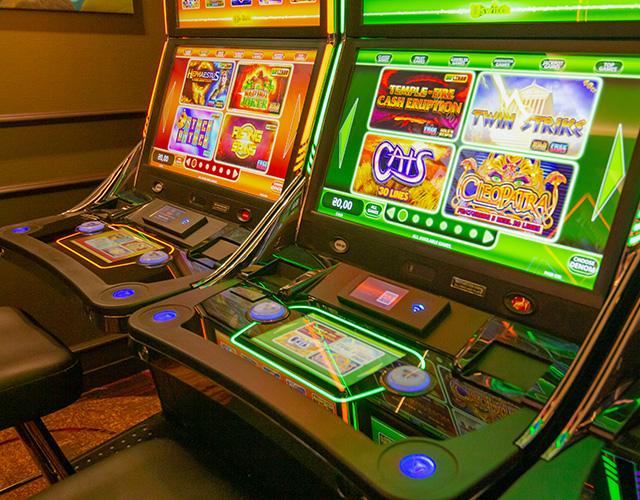
In the context of modern gambling, fast withdrawal casinos have emerged as a popular choice for players seeking immediate access to their winnings. These platforms prioritize efficiency, offering withdrawal options that allow players to receive their funds often within minutes. This focus on speed and convenience caters to a growing demand for seamless online experiences, reflecting broader trends in consumer behavior across various industries.
Fast withdrawal casinos typically use secure payment methods such as e-wallets, instant bank transfers, and cryptocurrencies to facilitate quick transactions. This emphasis on security and rapid processing aligns with players’ expectations for a trustworthy gambling environment. As more players become aware of these options, the competition among online casinos intensifies, pushing them to improve their services continually.
Additionally, responsible gambling remains at the forefront of these platforms’ operations. Many fast withdrawal casinos implement features designed to promote safe gaming practices, ensuring that players can enjoy their experiences without compromising their well-being. As the industry evolves, balancing rapid access to winnings with a commitment to responsible gaming will be crucial in maintaining player trust and loyalty.