
The intriguing journey of gambling from ancient rituals to modern strategies
The intriguing journey of gambling from ancient rituals to modern strategies
The Origins of Gambling: Ancient Civilizations
The roots of gambling can be traced back thousands of years, deeply embedded in the cultural practices of ancient civilizations. Archaeological evidence suggests that dice games were played in Mesopotamia around 3000 BC. These primitive forms of gambling served not only as entertainment but also as a means for communities to engage in rituals associated with fate and fortune. Ancient Greeks and Romans embraced gambling as a social activity, often linked to religious ceremonies where participants sought favor from the gods through chance. Today, you can explore similar exciting experiences at westacecasino.org.

In Egypt, gambling was considered an integral part of daily life and often mirrored the societal structure. Board games like Senet were used for leisure, reflecting the Egyptians’ belief in the afterlife and the concept of fate. These early forms of gambling laid the groundwork for future developments, influencing how games of chance would evolve in various cultures across the globe. This historical context reveals a fascinating connection between gambling, ritual, and human psychology.
The significance of gambling in ancient societies extended beyond mere pastime. It was often associated with decisions of great importance, such as land distribution and military endeavors. This practice showcased the intricate relationship between chance and human agency, illustrating how early civilizations used gambling as a tool for decision-making and risk assessment. As we delve deeper into the history of gambling, we can see how these ancient customs have shaped contemporary gaming practices.
The Evolution of Gambling Practices
As societies progressed, gambling transformed into more structured forms, giving rise to games that would become the foundation of modern casinos. The medieval period saw the introduction of card games, which quickly gained popularity across Europe. These games were not only entertaining but also fostered social interactions among different classes, illustrating the democratic nature of gambling. The creation of standardized decks of cards in the 15th century marked a significant milestone in the evolution of gambling, as it allowed for a variety of new games and strategies to emerge.
The Renaissance period further propelled gambling into the mainstream, with the establishment of the first official gambling houses in Italy during the 17th century. These venues offered a controlled environment for gambling, attracting the wealthy and the elite. The development of roulette and other casino games during this time played a pivotal role in refining gambling strategies and betting systems, which would later inspire the organized gambling industry we see today.
Throughout the 18th and 19th centuries, gambling began to spread globally, facilitated by colonization and trade. Each culture adapted these games to their unique traditions and customs. For instance, the popularity of poker in the United States and the emergence of the lottery in various countries showcased the adaptability of gambling practices. This evolution highlighted how gambling has transcended borders, influencing cultural exchanges while maintaining its core essence of chance and risk.
The Impact of Technology on Gambling
The digital revolution in the late 20th century transformed the gambling landscape, making it more accessible than ever before. Online casinos emerged in the 1990s, allowing players to engage in their favorite games from the comfort of their homes. This shift not only expanded the reach of gambling but also introduced innovative game formats and betting options, providing a broader spectrum of experiences for players worldwide. The convenience of online gaming has changed the way individuals approach gambling, fostering a more diverse audience.
With the advancement of mobile technology, gambling took yet another leap forward. The rise of smartphones and tablets has led to a surge in mobile gambling, where players can enjoy games anytime and anywhere. This accessibility has attracted a younger demographic, altering traditional perceptions of gamblers. The integration of interactive elements and social features has also created a more engaging experience, blurring the lines between gaming and social networking.
However, this technological evolution has also raised concerns regarding responsible gambling. The ease of access can lead to gambling addiction, prompting regulatory bodies to implement stricter guidelines and responsible gambling measures. The industry is continuously adapting to balance innovation with safety, showcasing the need for sustainable practices in this ever-evolving realm of entertainment. As technology continues to advance, the future of gambling holds both exciting possibilities and inherent challenges.
The Myths and Misconceptions Surrounding Gambling
Despite its long history, gambling is often shrouded in myths and misconceptions that can shape public perception. A common belief is that gambling is purely a game of luck, overlooking the strategies and skills involved in many games, especially poker and blackjack. While chance does play a role, experienced players understand the importance of strategy, psychology, and probability in making informed decisions. This misconception can deter individuals from fully exploring the complexities of various games.
Another prevalent myth is the association between gambling and negative societal impacts. While it is true that gambling can lead to addiction and financial issues, many players engage in responsible gambling practices. Numerous studies indicate that the majority of individuals who gamble do so for entertainment without experiencing harmful consequences. By addressing these misconceptions, we can foster a more balanced view of gambling as a legitimate form of entertainment rather than a vice.
Additionally, the idea that certain rituals or superstitions can influence outcomes is deeply ingrained in gambling culture. Many players believe in lucky charms or specific routines that will sway fortune in their favor. These beliefs, although largely unfounded, highlight the psychological aspect of gambling and the human desire to exert control over uncertainty. Recognizing these myths allows for a deeper understanding of the gambling experience, both for players and for the industry as a whole.
Modern Gambling Trends and Future Prospects
Today, the gambling industry is witnessing rapid changes driven by technological advancements and evolving consumer preferences. Trends such as live dealer games, virtual reality casinos, and gamification are reshaping how players interact with gambling. Live dealer games, in particular, bridge the gap between online and physical casinos, providing an immersive experience that mimics the atmosphere of a traditional casino while offering the convenience of online play.
The rise of esports betting is another significant trend, reflecting the growing popularity of competitive gaming. As esports tournaments gain mainstream recognition, betting on these events has become a lucrative market. This diversification within the gambling sector demonstrates the industry’s adaptability to contemporary trends, attracting a broader audience and redefining what it means to gamble.
Looking ahead, the future of gambling appears promising yet complex. Regulatory developments, particularly concerning online gambling and cryptocurrency, will play a crucial role in shaping the industry’s landscape. Ensuring responsible gambling while accommodating innovation will be vital to maintaining consumer trust and industry integrity. As gambling continues to evolve, it remains essential to balance tradition with modernity, fostering an environment that respects both the history and future potential of this intriguing activity.
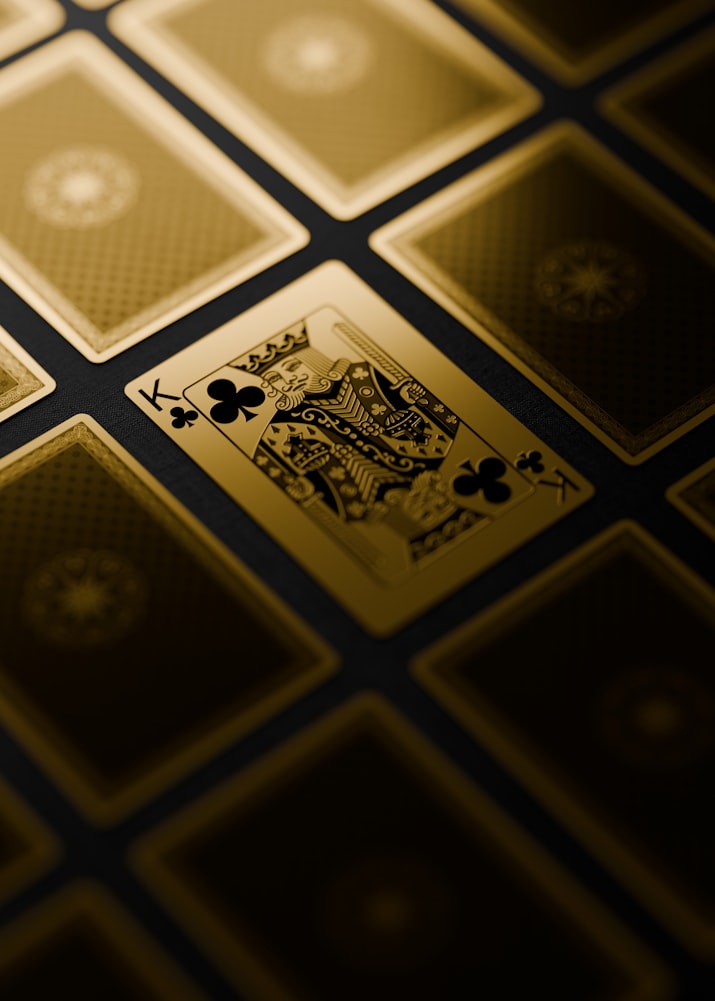
Discover the World of Westace Casino
For those looking to engage in the vibrant world of online gambling, Westace Casino offers a unique experience. Launched in 2023, Westace combines a diverse selection of games, including slots and live dealer tables, all within a secure and user-friendly platform. With a commitment to fair play, fast payouts, and 24/7 customer support, Westace creates an enjoyable environment for both new and experienced players alike.
New players can take advantage of an enticing welcome package that includes generous bonuses and free spins, making it an attractive option for those eager to explore online gaming. The seamless registration process ensures that players can quickly dive into their favorite games without hassle, whether they’re on desktop or mobile. Westace stands out as a platform that prioritizes user experience while offering an exciting array of gambling options.
Joining Westace Casino not only provides a thrilling gaming experience but also connects players to a community of enthusiasts who appreciate the rich history and evolving nature of gambling. As you embark on your gaming journey, Westace invites you to discover the captivating world of chance, strategy, and entertainment that modern gambling has to offer.